
Pressure injuries represent 34.2% of all HACs, 43.5% of all HAC-related deaths, and are the only HAC that continues to grow — rising 14% over the last three years. (Mortality rates: AHRQ, November 2017)
Industry Data
AHRQ National Scorecard on Hospital-Acquired Conditions: Updated Baseline Rates and Preliminary Results 2014-2017
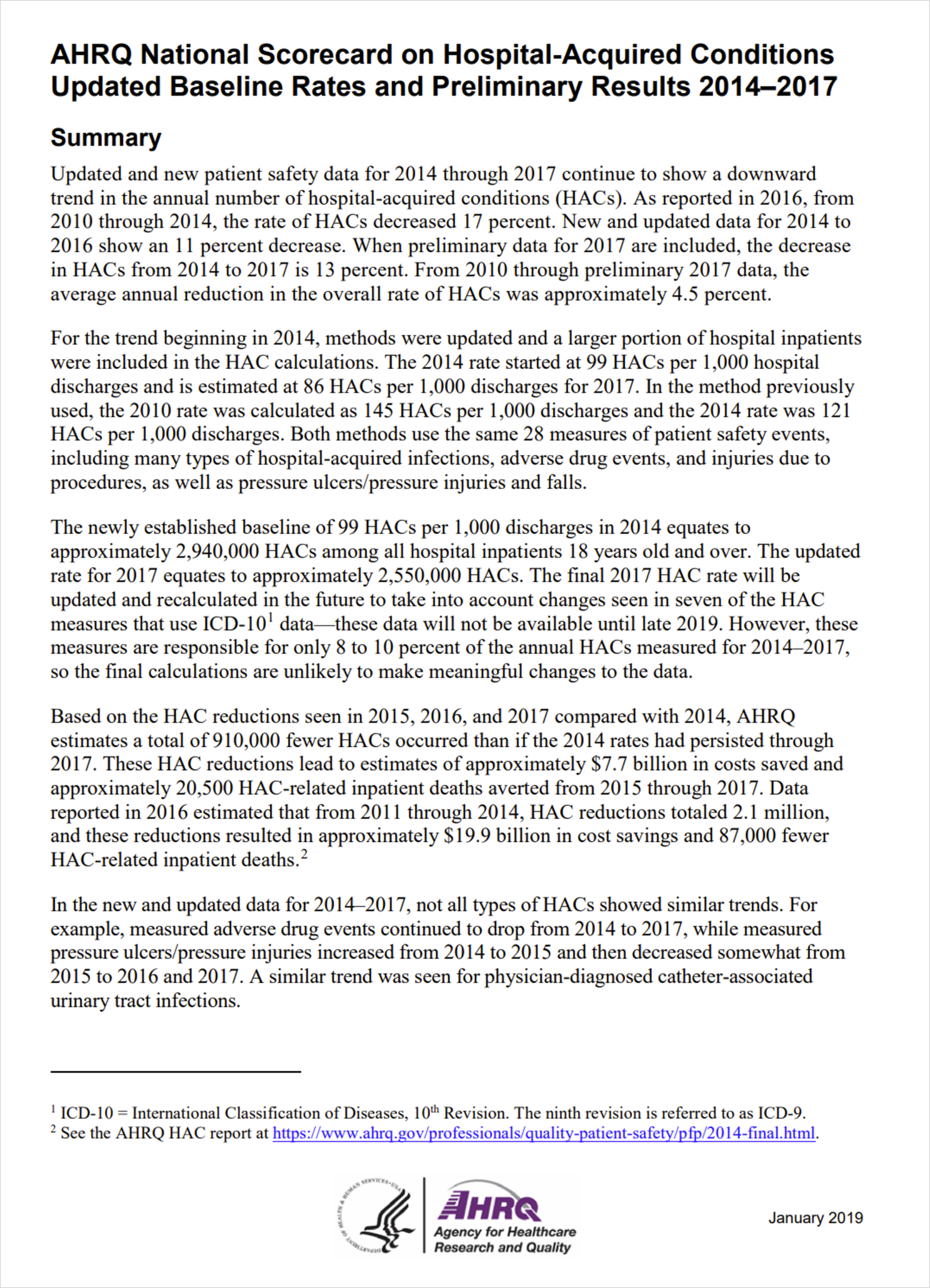
Pressure injuries represent 26.7% of all hospital-acquired conditions, 43.2% of all HAC-related deaths and are the only HAC that has continued to rise (by 6%) while all others declined. Read Full Article
Estimating the Additional Hospital Inpatient Cost and Mortality Associated With Selected Hospital-Acquired Conditions
Patients who develop a pressure injury face a 3.26 times greater risk of death - generating 41 excess deaths per 1,000 cases. This is the highest mortality risk of any non-infectious hospital-acquired condition, exceeding falls, adverse drug events, surgical site infections, venous thromboembolism, and obstetric adverse events. Read Full Article
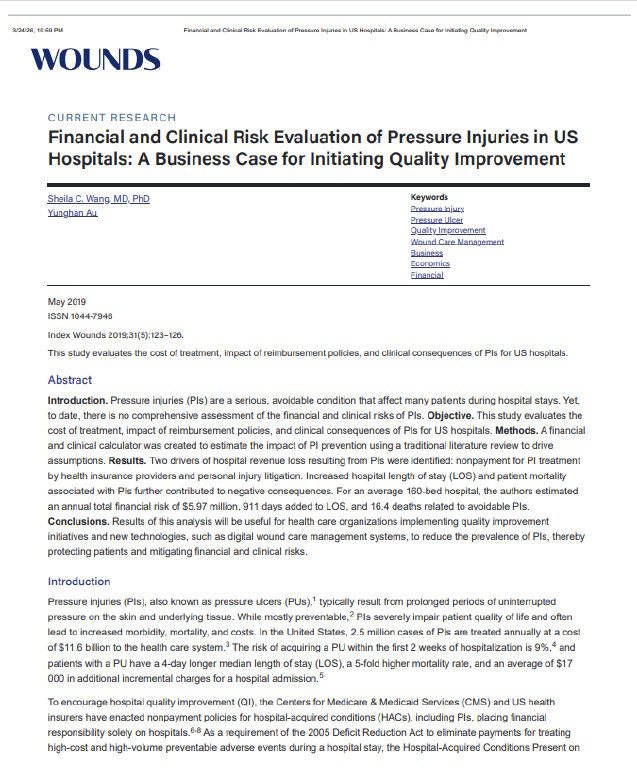
Financial and Clinical Risk Evaluation of Pressure Injuries in US Hospitals: A Business Case for Initiating Quality Improvement
Key Takeaways
For the average 160-bed US hospital, preventable pressure injuries generate $5.97 million in annual financial risk - $3.87 million in lost reimbursement, $2.1 million in litigation exposure, 911 added hospital days, 149 patients who could not be admitted, and 16.4 deaths. Every one of those costs is unreimbursed, unavoidable, and growing. Read Full Article
Pressure Ulcer Trends in the United States: A Cross-Sectional Assessment from 2008–2019 (The American Surgeon
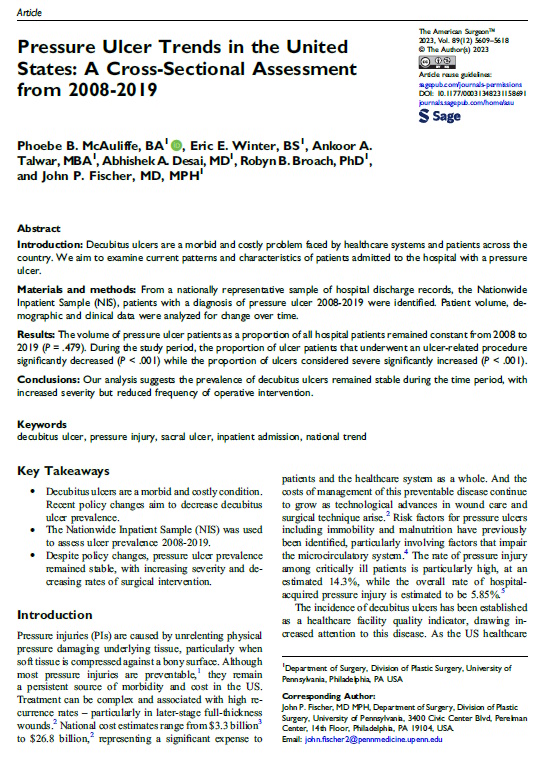
Despite CMS payment penalties and widespread adoption of prevention guidelines, severe pressure ulcer prevalence - Stages 3, 4, and unstageable - increased from 2008 to 2019. Between 2013 and 2016 alone, PI rates rose 29.4%, the only hospital-acquired condition to increase, while every other HAC declined. The most dangerous injuries are getting more common, not less. Read Full Article
Pressure Injuries in Critical Care Patients in US Hospitals: Results of the International Pressure Ulcer Prevalence Survey
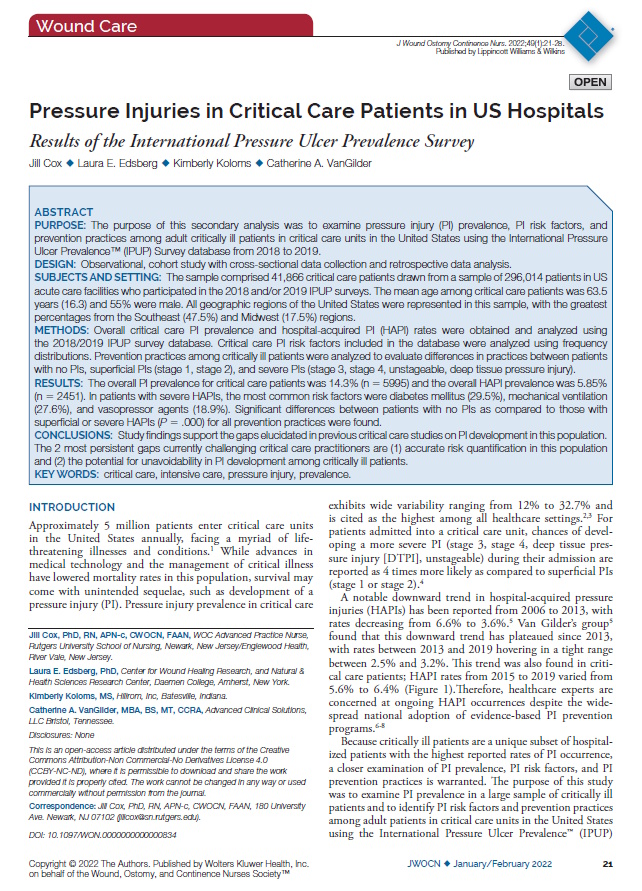
In the largest US ICU prevalence survey - 41,866 critical care patients across 1,801 facilities - DTIs were the #1 HAPI stage at 33.6%, followed by Stage 2 at 28.1%. Together they account for nearly two-thirds of all ICU HAPIs. ICU patients are 4x more likely to develop severe PIs than superficial ones, and HAPI rates have not improved since 2013, even in the nation's highest-resourced units. Read Full Article
Sociodemographic Predictive Factors of Increased Hospital Stay and Cost Among Hospitalized Patients with Pressure Injuries — National Inpatient Sample 2009–2019
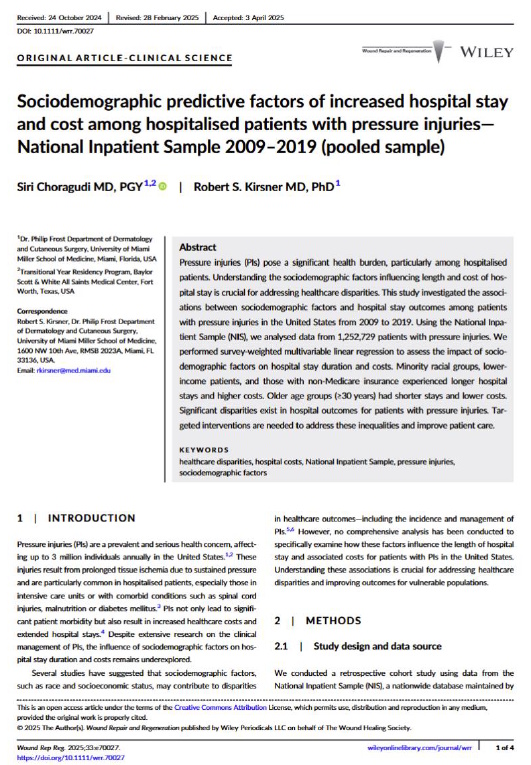
Analyzing 1.25 million US patients with pressure injuries, this 2025 study found self-pay patients faced the longest stays - an increase of 3.91 additional days - and incurred $21,216 more in costs compared to Medicare patients. Hispanic patients incurred $37,647 more in costs and 1.42 additional days versus White patients. Pressure injuries don't distribute their harm equally — they fall hardest on those least equipped to absorb it. Read Full Article
Assessment of Malpractice Claims Associated With Pressure Ulcers
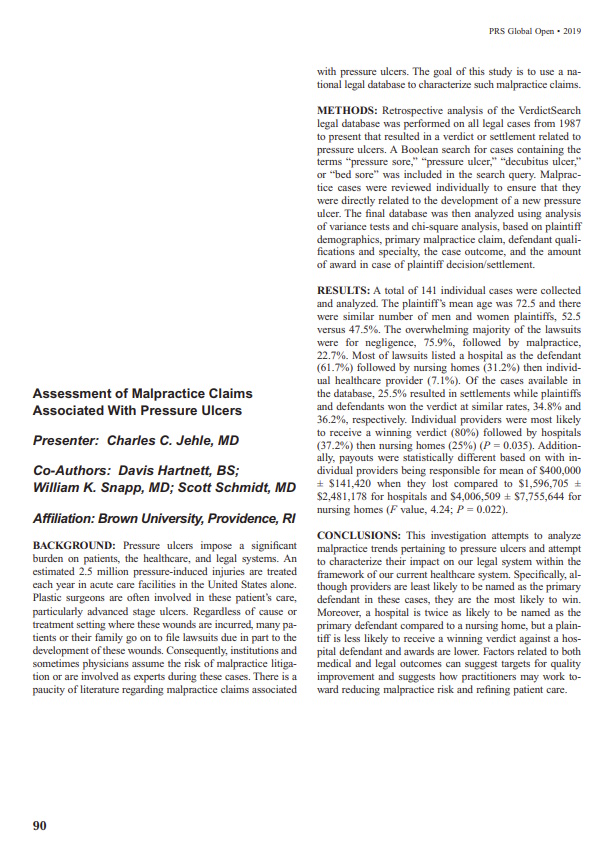
Hospitals are named as defendants in 62% of pressure ulcer malpractice cases, with mean payouts of $1.6–$2.5 million when they lose. Nursing homes face mean awards exceeding $4 million. Negligence, not malpractice, is the primary claim in 76% of cases, meaning jurors view pressure injuries as failures of basic care, not complex medical judgment. Read Full Article
Long-Term Care Liability for Pressure Ulcers
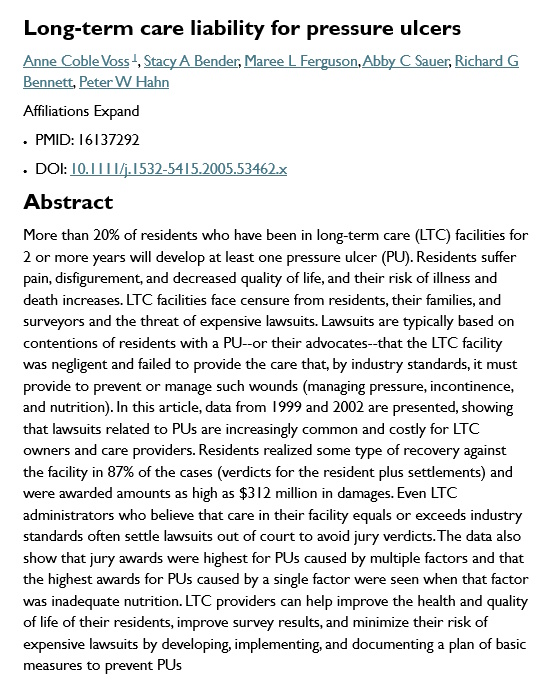
Plaintiffs recovered damages in 87% of pressure ulcer lawsuits with a median settlement of $1.06 million, and awards reaching as high as $312 million. More than 17,000 PI-related lawsuits are filed in the US annually - making pressure injuries the second most common cause of malpractice claims. Even facilities that believed their care was adequate routinely settled rather than face a jury. Read Full Article
Quality of Life of Patients with Pressure Ulcers: A Systematic Review
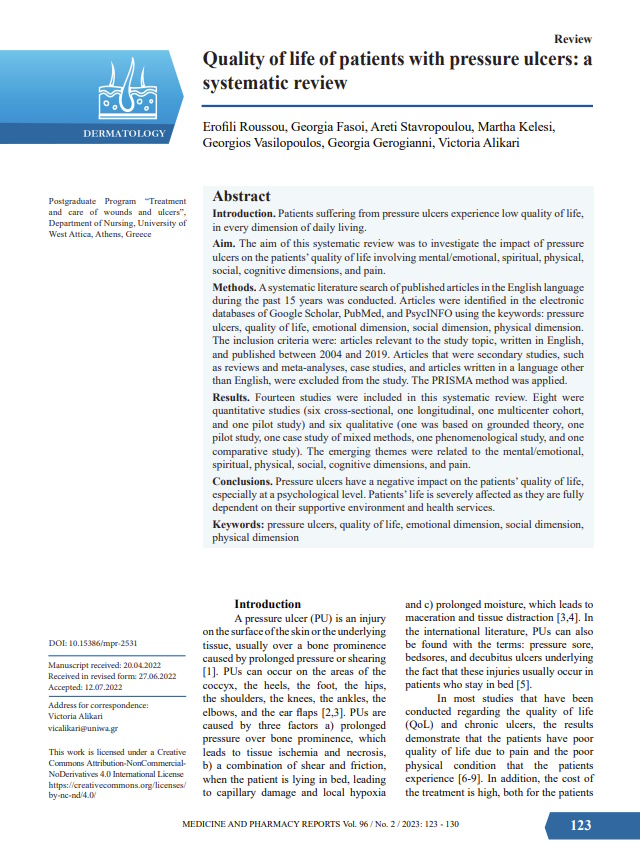
Patients with pressure injuries experience severely diminished quality of life across every dimension - physical, emotional, social, and cognitive. Pain is the defining and relentless feature, described by patients as leading to helplessness, despair, and complete dependence. Behind every statistic is a person whose life has been fundamentally diminished by a preventable wound. Read Full Article