These Japanese Dermatological Association guidelines state that pressure injury prevention depends on confirming actual interface pressure. They direct caregivers to check sacral pressure with an interface pressure meter, reinforcing that effective repositioning must be guided by measured pressure rather than routine practice.
Read Full Article
Mike Piskie
These guidelines reinforce a workflow principle: repositioning should be verified with objective interface pressure measurement. They direct caregivers to check sacral pressure with an interface pressure meter, moving practice from routine turning to measured confirmation. Read Full Article
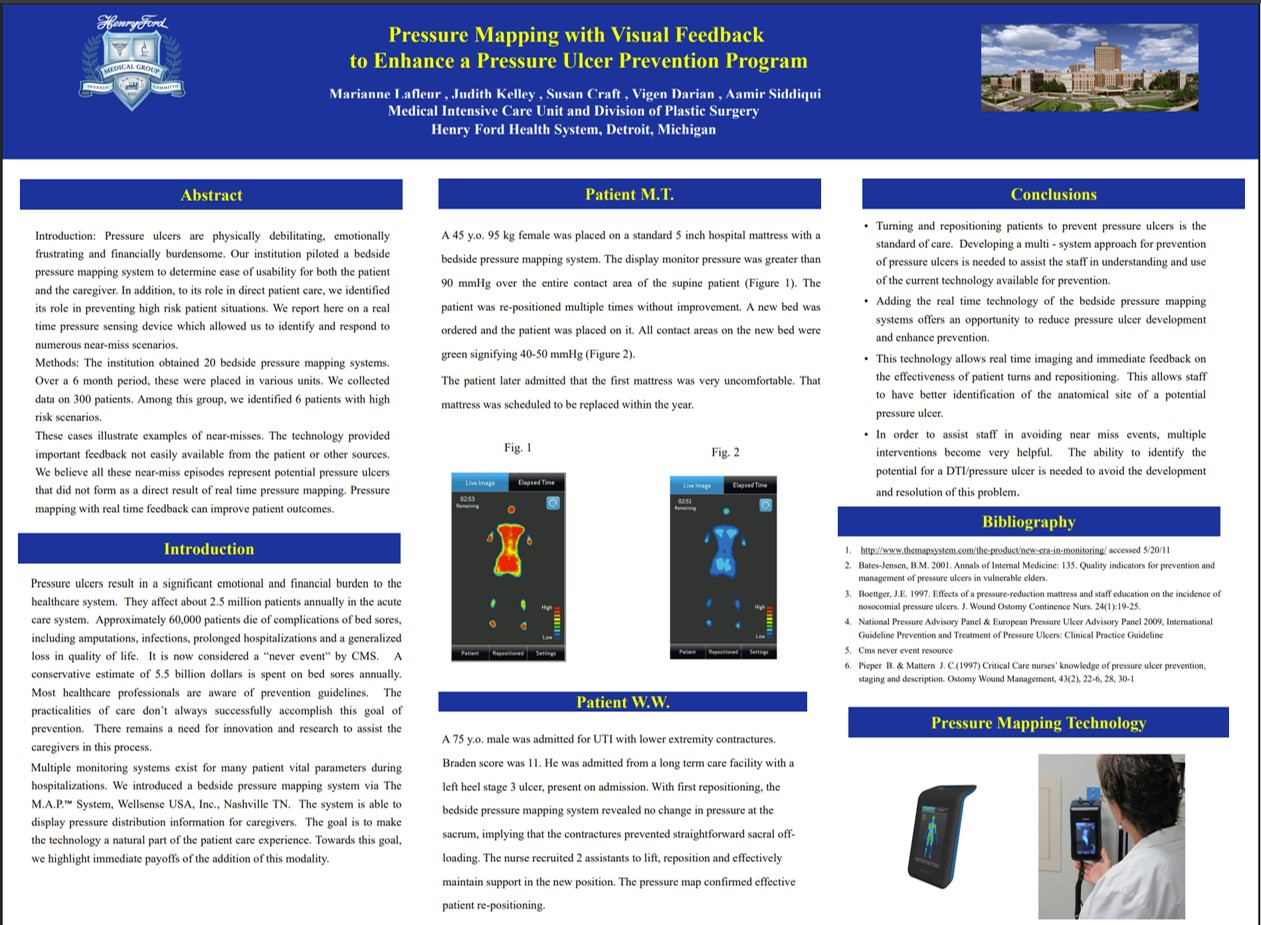
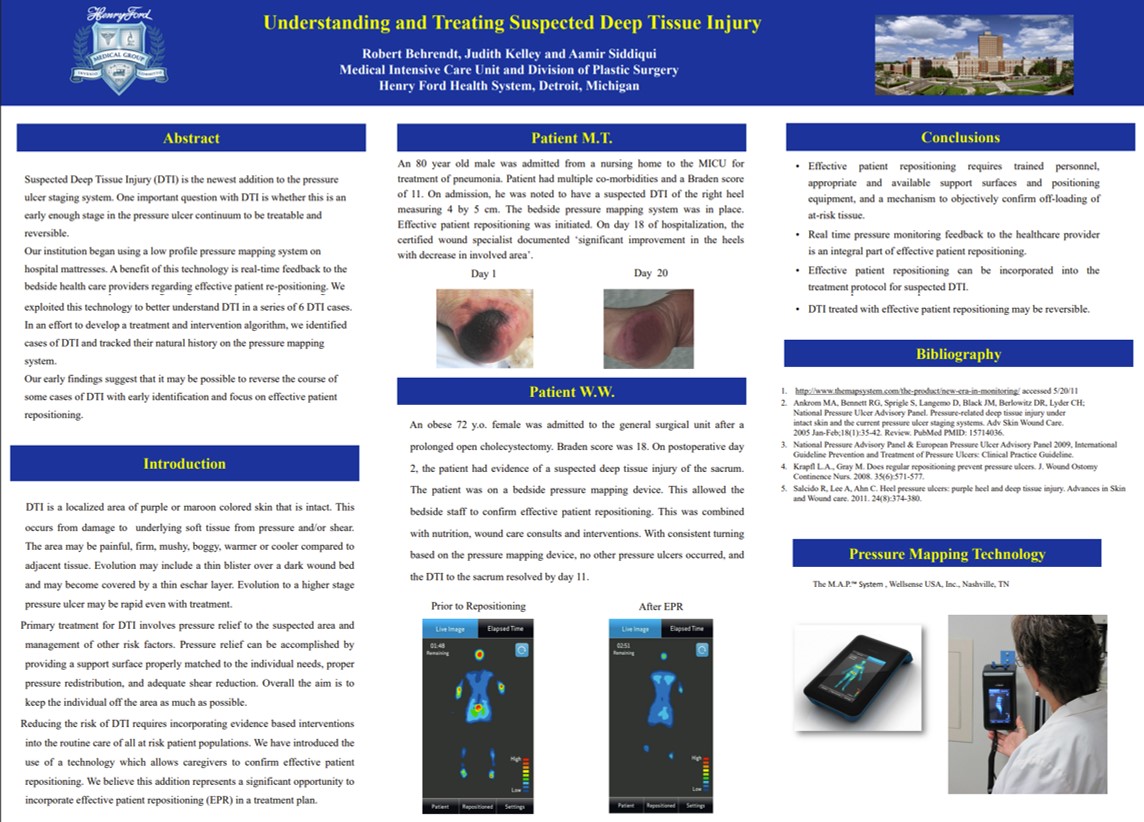
A Henry Ford Hospital elderly patient presented with a deep tissue injury (DTI), which was fully resolved within 11 days using real-time pressure monitoring, with no additional ulcers developing. Read Full Article
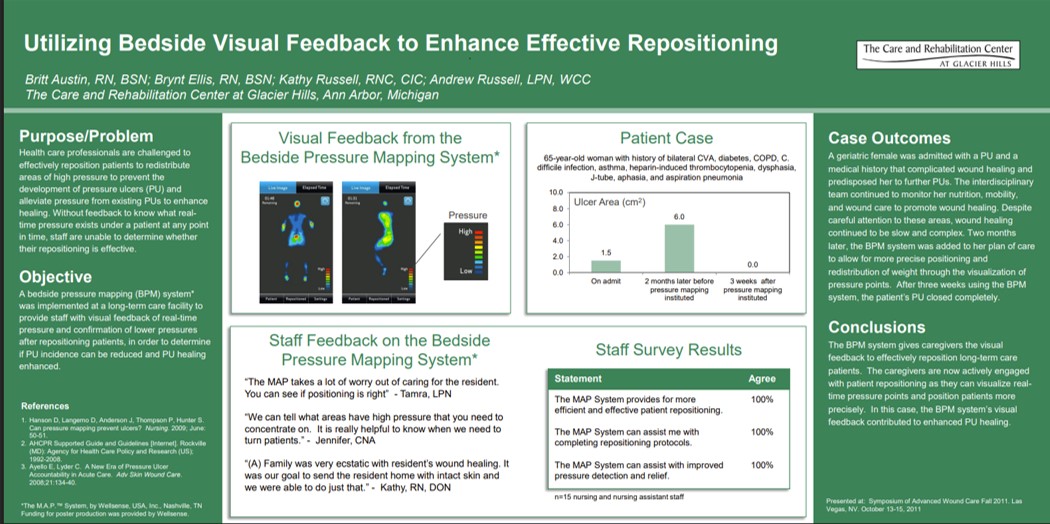
A 65-year-old long-term care patient at Glacier Hills with a non-healing pressure ulcer achieved complete wound closure within 3 weeks after the introduction of real-time bedside pressure visualization to guide repositioning. Read Full Article
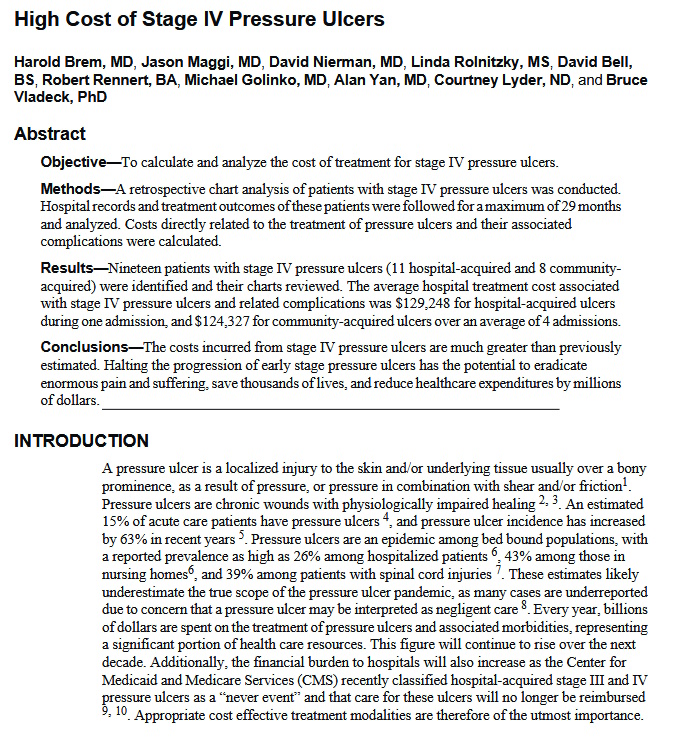
This study from NYU School of Medicine found Stage IV pressure ulcers cost about $125k–$129k per patient in hospital treatment costs when ulcer-related complications were included. These costs are far higher than prior estimates and emphasize early recognition and treatment to stop progression to Stage IV and avoid extreme, non-reimbursed “never event” costs. Read Full Article
Henry Ford Health System utilized real-time pressure mapping with visual feedback to enhance pressure ulcer prevention, confirming effective repositioning for patients and gaining acceptance from caregivers and patients. The technology showed immediate benefits in identifying and adjusting patient positions to prevent ulcer development.
Read Full Article
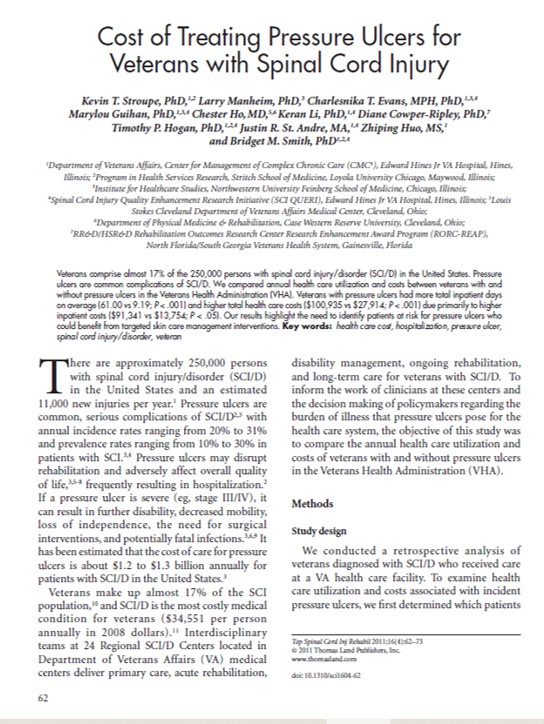
"In a VA study of veterans with spinal cord injury, the presence of a pressure injury increased average health care costs by $77,587 compared to those without, driven by higher inpatient costs, emphasizing the need for prevention." Read Full Article
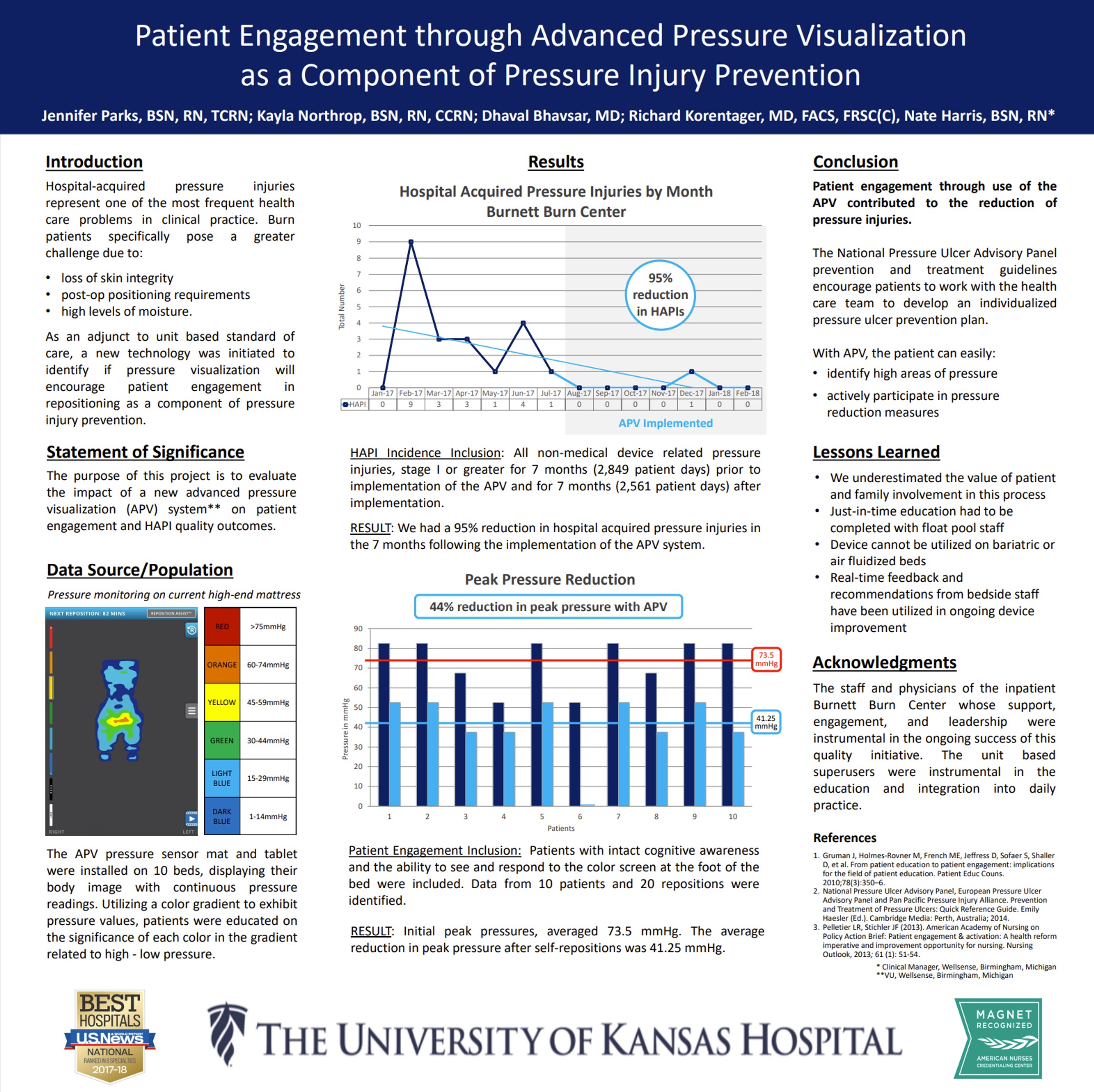
This study frames pressure visualization as a patient-facing tool: by making pressure visible, it motivates participation and supports behavior change around repositioning. The work reinforces that engagement improves when patients can see the cause-and-effect of their own movement on pressure. Read Full Article
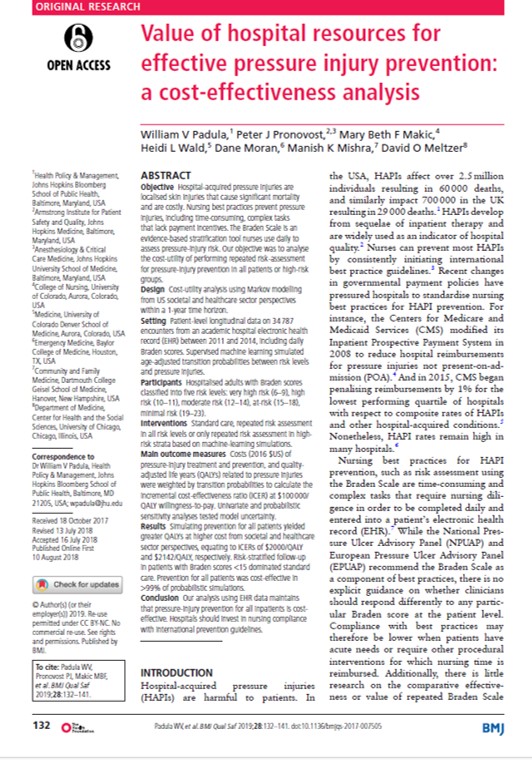
This peer-reviewed BMJ Quality & Safety cost-effectiveness study analyzed 34,000+ hospital patients and quantified the financial impact of severe pressure injuries. It reported that Stage 3–4 (full-thickness) pressure injuries add about $6,209 per patient-day, underscoring the high daily cost burden and the value of effective, hospital-wide prevention. Read Full Article