Mike Piskie
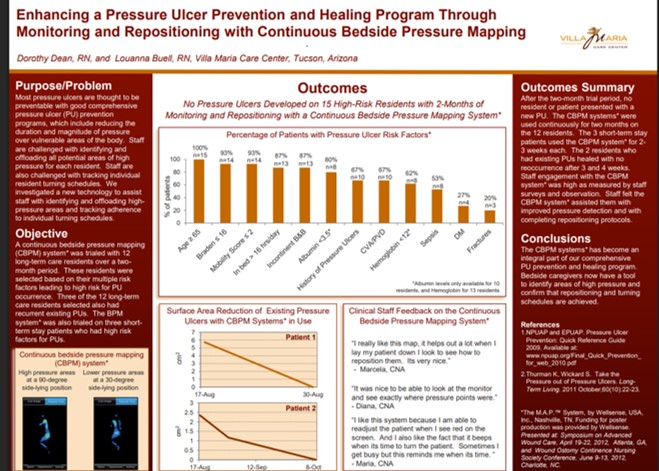
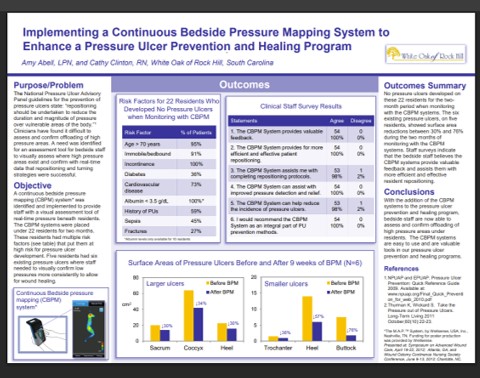
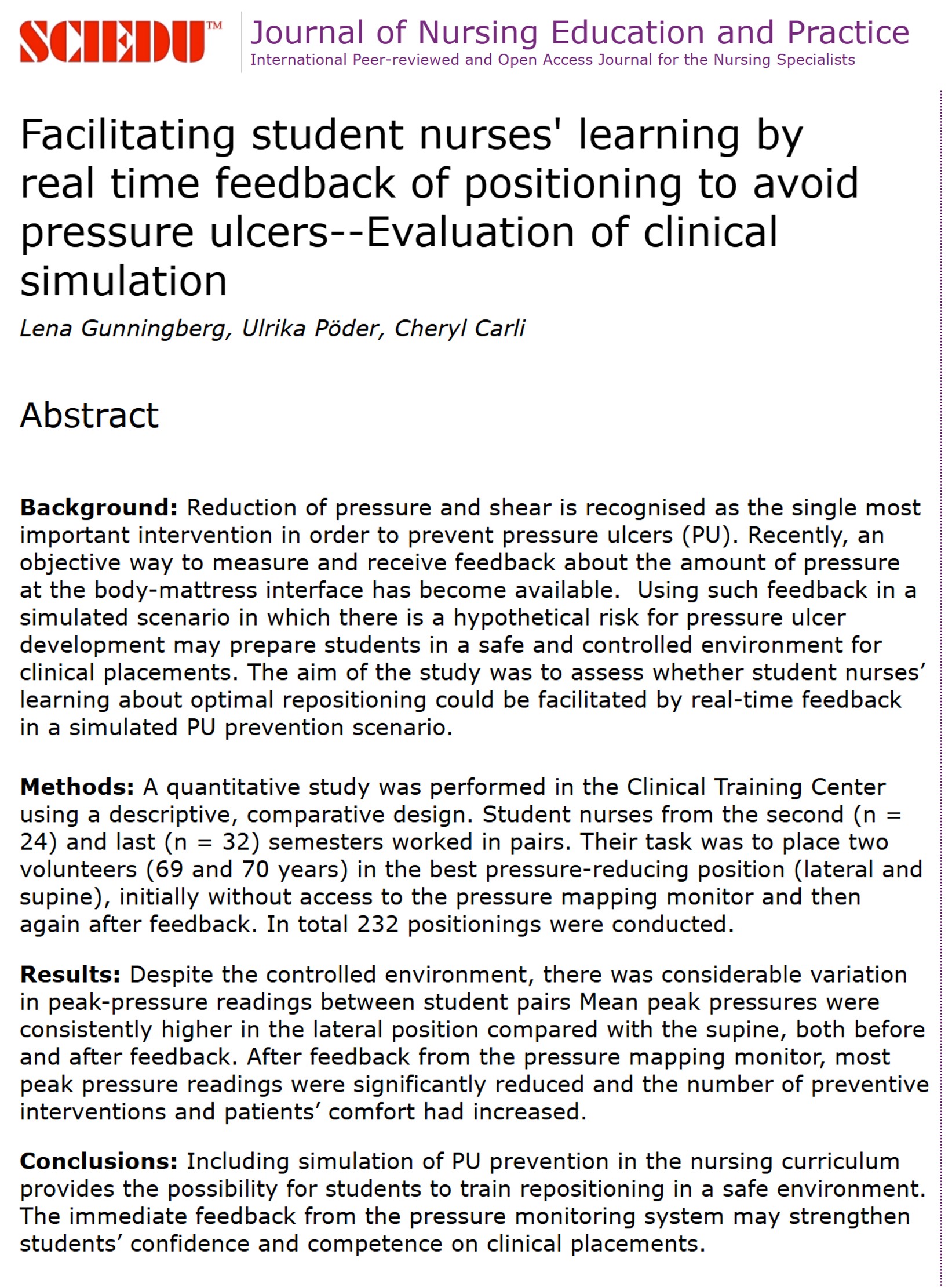
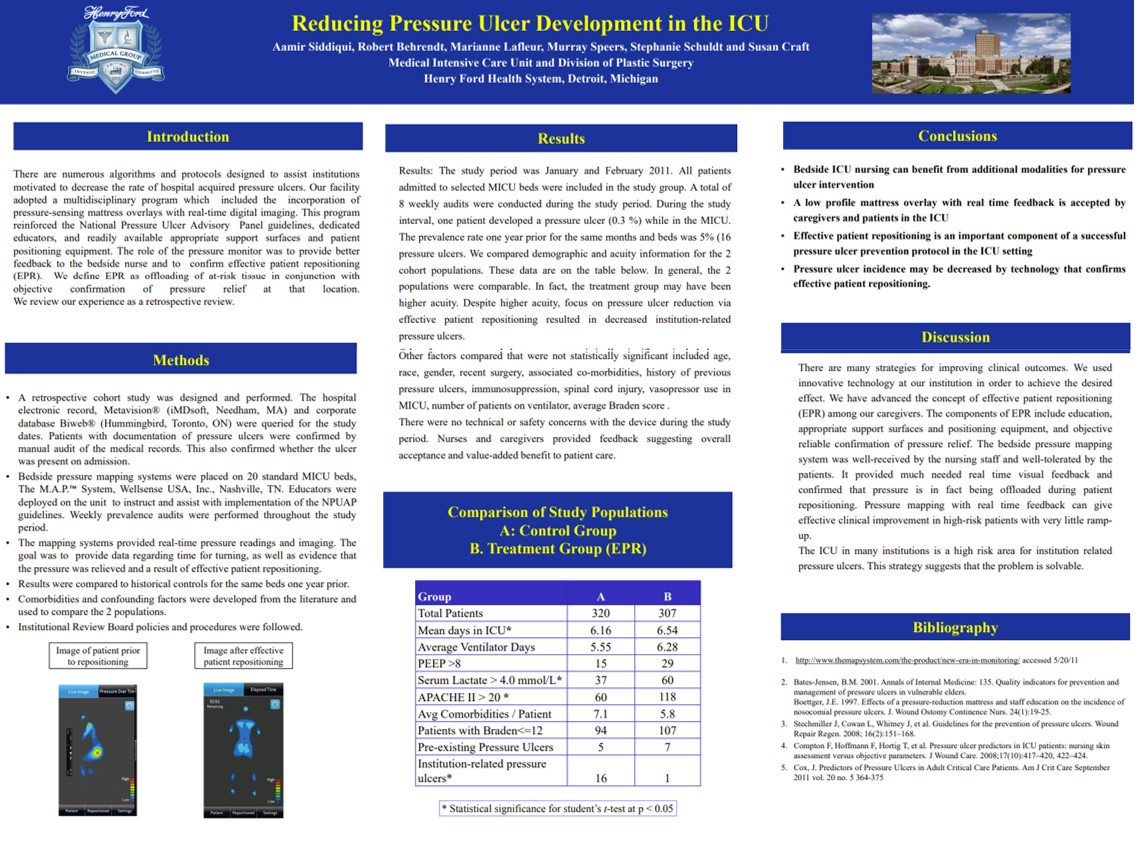
Real-time pressure feedback accelerates skills training by showing student nurses, instantly, whether a positioning change actually reduces interface pressure. This turns pressure-injury prevention from a theoretical lesson into a measurable competency and supports more consistent technique across learners and instructors.
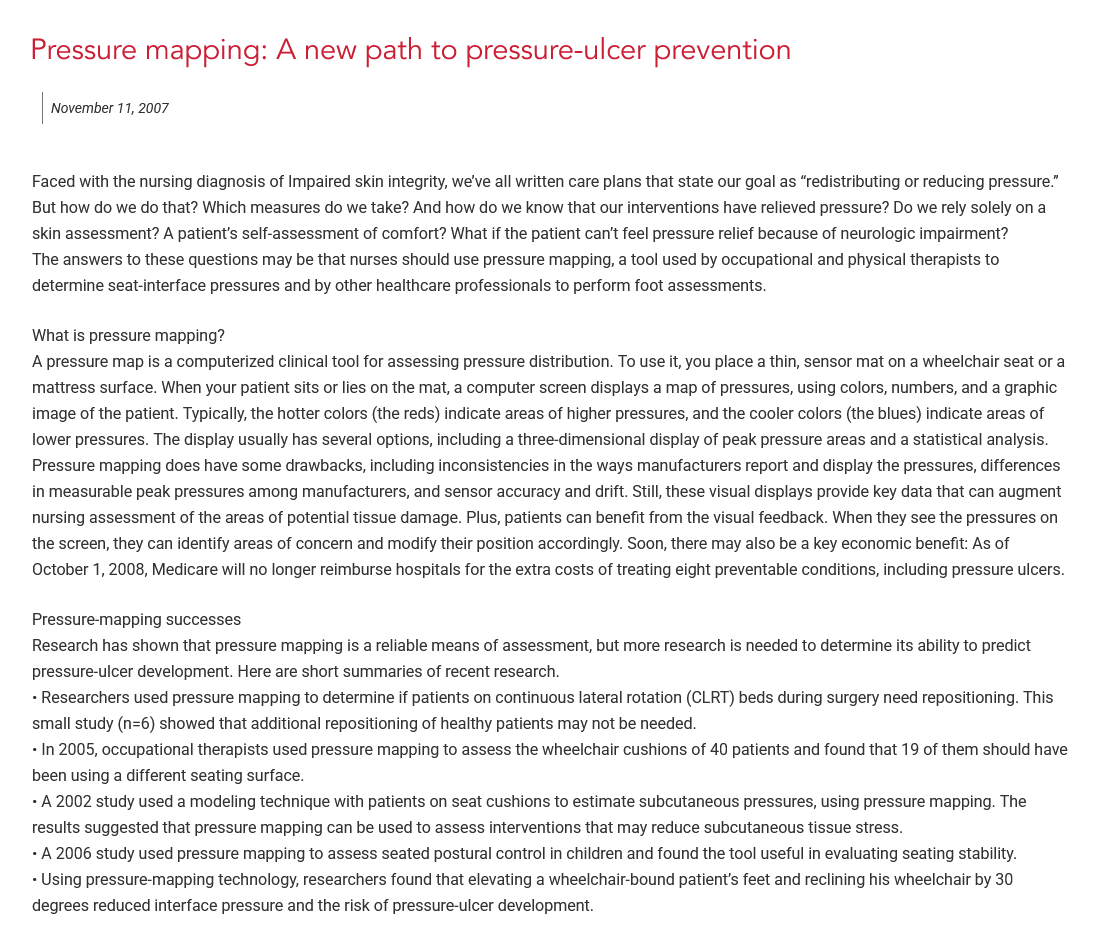
This clinical article from American Nurse explains that pressure mapping provides visual, real-time information on pressure distribution, allowing clinicians to see high-pressure areas and verify whether repositioning and support surface interventions are actually relieving pressure, rather than relying solely on skin assessment or patient feedback.
These Japanese Dermatological Association guidelines state that pressure injury prevention depends on confirming actual interface pressure. They direct caregivers to check sacral pressure with an interface pressure meter, reinforcing that effective repositioning must be guided by measured pressure rather than routine practice.